
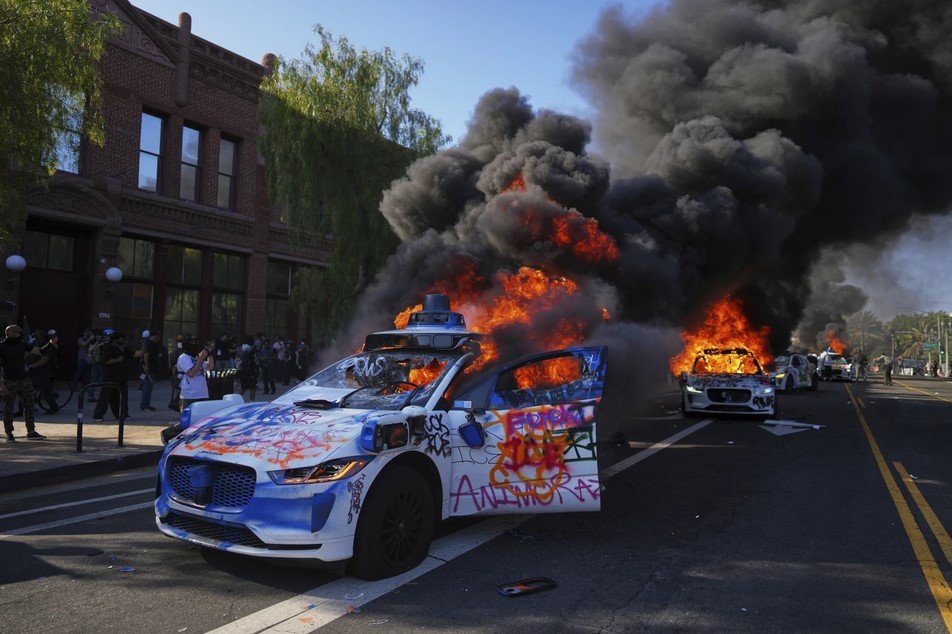
The Trump administration has dramatically shifted its immigration enforcement strategy, resuming workplace raids at farms, hotels, and restaurants after a brief pause that acknowledged the economic damage to key industries. The policy reversal comes amid widespread protests in Los Angeles and mounting concerns about the impact on California’s economy, where foreign-born workers and entrepreneurs represent a substantial portion of the workforce
ICE Raids Devastate Los Angeles Small Business Community
Immigration and Customs Enforcement operations that began June 6 have created what Los Angeles Mayor Karen Bass described as “a body blow to our economy”. The raids targeted workers at locations ranging from Home Depot parking lots to the Fashion District, where agents arrested dozens of people at companies like Ambiance Apparel
Juan Ibarra, who operates a fruit and vegetable outlet in Los Angeles’ fresh produce market, reported his business has nearly come to a halt since the raids began. His daily earnings dropped from $2,000 to just $300, as street vendors stayed home and restaurant staff avoided traveling to the market for supplies. For the first time since the ICE operations commenced, Ibarra had to discard rotten fruit, incurring a $70 fee per pallet for garbage disposal
Restaurant owners in Latino neighborhoods have never seen such empty dining rooms, with one proprietor crying when city officials visited, saying “It’s so empty. I’ve never seen it like this, and I don’t know how we can survive this”. Pedro Jimenez, a 62-year-old owner of a Mexican eatery, noted his weekly earnings dropped by $7,000 compared to two weeks ago, forcing him to close his restaurant earlier due to lack of customers
Economic Impact Reverberates Throughout California
The immigration enforcement actions have created ripple effects throughout California’s economy, where immigrants comprise 27% of the population but 39% of entrepreneurs. Foreign-born workers account for one-third of restaurant and warehouse workers, 40% of home healthcare and child care workers, and 60% of landscaping and building cleaning services in Los Angeles
A recent study by the Bay Area Council Economic Institute estimated that Trump’s mass deportations could cost California approximately $275 billion. The analysis found that losing 8% of California’s labor force would severely impact the state’s economy, with effects rippling beyond California and leading to labor shortages that could drive up food prices nationwide
The Fashion District alone employs about 15,000 workers, and the economic disruption has extended beyond individual businesses. Car washes have temporarily closed, the normally bustling MacArthur Park area has seen foot traffic drop dramatically, and even the Young Musicians Foundation canceled its traditional semester-ending concert because many students and parents were afraid to gather
Administration’s Policy Reversal Amid Industry Pressure
President Trump initially acknowledged the economic consequences of his immigration policies, posting on Truth Social that “our great Farmers and people in the Hotel and Leisure business have been stating that our very aggressive policy on immigration is taking very good, long time workers away from them, with those jobs being almost impossible to replace”. This led to a temporary pause on workplace raids in agriculture, hospitality, and restaurant sectors
However, the administration quickly reversed course after internal disagreements between Agriculture Secretary Brooke Rollins, who communicated farming sector concerns, and Stephen Miller, deputy chief of staff and key architect of Trump’s immigration strategy, who opposed any exceptions for specific industries. The Department of Homeland Security announced the return to raids during a Monday morning call with representatives from 30 ICE field offices
Tricia McLaughlin, assistant secretary for public affairs at the Department of Homeland Security, stated that “the president has been unequivocal. There will be no refuge for sectors that harbor violent offenders or intentionally attempt to undermine ICE’s initiatives”. The administration is now racing to meet a White House target of apprehending 3,000 migrants daily
Federal Response and National Guard Deployment
The immigration raids and subsequent protests prompted Trump to deploy approximately 4,000 National Guard troops and 700 Marines to Los Angeles, marking the first time in 60 years a president has federalized the California National Guard over a governor’s objections. Governor Gavin Newsom and Los Angeles Mayor Karen Bass have both opposed the military presence, claiming Trump has overstepped his authority
The protests began after ICE raids at Ambiance Apparel in the Fashion District and Home Depot locations, where over 40 immigrants were arrested. David Huerta, president of SEIU California, was among those detained while bearing witness to the Ambiance Apparel raid, though he was later released on bail. Since Saturday, approximately 470 protesters have been arrested, primarily for disobeying law enforcement orders to vacate areas
ICE has shared photographs showing officers apprehending individuals while National Guard troops are positioned nearby, establishing protective perimeters around operations. Former ICE officials told CNN they could not recall any instance in which the National Guard had participated in an ICE interior operation
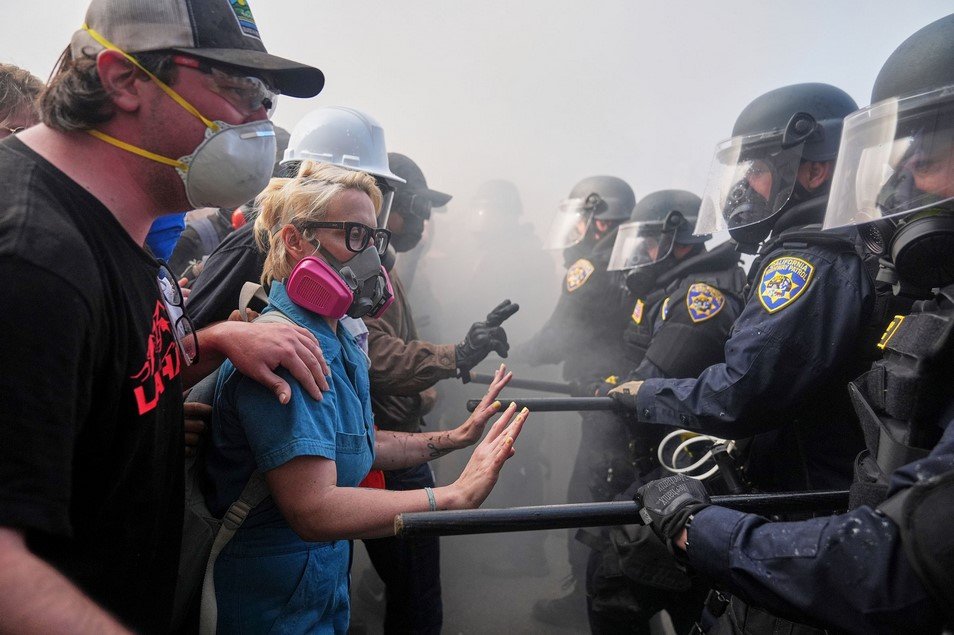
The economic and social disruption from these enforcement actions highlights the complex relationship between immigration policy and economic stability in states like California, where immigrant labor and entrepreneurship form crucial pillars of the economy. As the administration continues its enforcement campaign, the long-term impacts on both individual communities and broader economic systems remain to be seen
Images Copyrights https://apnews.com , https://time.com