
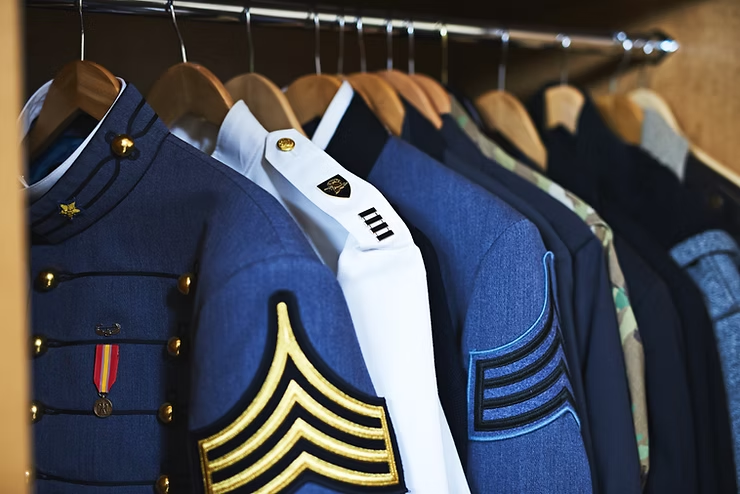

When we think of military medals and honors, we often picture brave soldiers adorned with shiny decorations, surrounded by stories of valor and pride. These symbols hold deep meaning and represent more than mere tokens. They tell tales of sacrifice, commitment, and strength. In this blog post, we’ll explore the rich world of military recognition, looking at their significance, the personal stories behind them, and why they matter to individuals and society.
The History Behind Military Medals
Military medals have a long and fascinating history that dates back centuries. The earliest military decorations were simple tokens given to warriors for acts of bravery or service. Over time, these tokens evolved into intricate medals commemorating specific battles, campaigns, or acts of heroism.
Take, for example, the Medal of Honor, established in 1861 during the Civil War. This award stands as the highest military decoration in the United States. Not only does it recognize incredible acts of bravery, but it also serves as a powerful symbol of national pride and sacrifice. Of the more than 3,500 Medals of Honor awarded throughout history, around 1,500 are given posthumously, highlighting the life-and-death nature of decisions made in combat.
The design of these medals is often steeped in meaning. For instance, the gold color of the Medal of Honor signifies courage, while the laurel wreath represents victory and heroism. Craftsmen invest great care into creating these items, turning them into cherished historical artifacts.
The Different Types of Medals and Honors
Military medals are not uniform; they come in various types, each with distinct significance and criteria for awarding. Understanding these can clarify their importance.
Campaign medals are awarded for participation in specific military operations. They symbolize an individual’s contribution in conflicts like the Gulf War, where approximately 697,000 troops served. Each medal typically highlights the name of the campaign to cement its historical context.
On the other hand, service medals recognize a soldier’s commitment over time. For instance, a soldier completing three years of active duty may be awarded these medals. This serves as a testament to dedication and durability.
Next, there are commendation medals given for heroic acts or distinguished service. Unlike campaign medals, these medals celebrate exemplary performance. For instance, a soldier who assists in a life-saving mission during a crisis may receive this commendation, showcasing their extraordinary conduct.
Many nations also have unique decorations that reflect their values. For example, the British George Cross honors extraordinary acts of bravery not in combat but in peacetime, emphasizing the broad scope of military service.
The Emotional Impact of Medals
The significance of military medals runs deep. For service members and their families, these awards are symbols of honor and sacrifice.
Upon receiving a medal, soldiers can feel immense pride for being recognized. For instance, many veterans of the Iraq War described feelings of validation once they were awarded medals for their service. Yet, there’s also a complex emotional aspect; some veterans feel guilt about surviving when comrades did not.
For families, these medals are treasured mementos that connect them to their loved ones’ bravery and commitment. They often serve as sources of comfort and pride, weaving stories of bravery into family lore for generations. During ceremonies, families might share how a medal transformed their understanding of a service member’s experience, reinforcing the profound impact of military service.
The Role of Ceremonies in Honoring Service
Ceremonies for awarding military medals are vital in honoring service members. These events create a space for recognition and collective remembrance.
Formal ceremonies unite families, friends, and fellow service members, allowing for reflection on shared experiences. The emotional atmosphere of these events is powerful, as laughter and tears blend when stories of bravery are told. Soldiers recount moments of fear, tension, and ultimate triumph, transforming personal experiences into communal memories.
These public acknowledgments highlight individual achievements while reinforcing camaraderie among service members. This bond extends beyond shared experiences, fostering support networks that can last a lifetime.
Raising Awareness and Advocacy
In recent years, the conversation about military medals has expanded to include mental health and support for veterans. Discussions around the challenges faced by veterans have gained traction, leading to advocacy for mental health resources.
With a reported 20% of veterans experiencing PTSD, awareness is essential. Medals may symbolize honor, but they can also remind us of the invisible battles that many service members face after returning home.
This growing understanding creates a more supportive environment, connecting active-duty members and veterans with civilians. It emphasizes that the stories behind these medals are complex and deserve thoughtful acknowledgment.
The Ongoing Legacy of Military Medals
Military medals and honors are more than shiny pieces of metal; they serve as powerful reminders of bravery and sacrifice by those who have defended their country. They hold deep historical significance and emotional weight, impacting not just service members but also their families and communities.
Whether you’re a service member, veteran, or just someone curious about the military’s rich history, understanding the importance of these medals can enhance your appreciation for the stories they carry. Next time you see a medal or hear a story about one, take a moment to think about the person behind it and the legacy they represent.
In an age where understanding and connection matter more than ever, military medals and honors remind us of the sacrifices made for the freedoms we enjoy. What’s the big deal? It’s about recognizing stories—both heroic and heart-wrenching—and acknowledging that each medal has its unique tale and significance.